

Product Overview
Yellow Birch – Betula allegheniensis (2 gal/4-5 ft)
- Height: 50 to 75feet
- Spread: 25 to 35 feet
- Bloom Time: April
- Sun: Full sun to part shade
- Suggested Use: Naturalization/ Damp Areas
- Attracts: Wildlife
- Leaf: Great Yellow Fall Color
The Yellow Birch is a tree that carries with it the feeling of deep woods, cool ravines, and the quiet places where water lingers and the air stays fresh even in the heat of summer. Though not as commonly seen today in Jefferson County as it once was, this native birch has long been part of the region’s forest story.
Recognized by its distinctive golden-bronze bark that peels in thin, curly strips, the Yellow Birch stands apart from its white-barked relatives. When sunlight catches the bark just right, it gives the tree a warm, almost glowing appearance that is unmistakable in the forest understory or along shaded slopes.
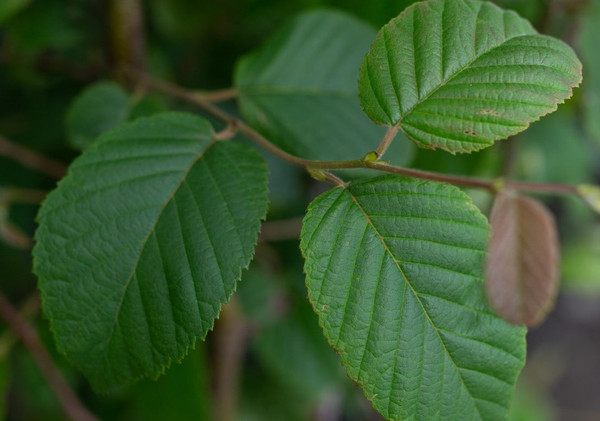
The leaves are a rich green in summer, turning a soft yellow in the fall, complementing the tree’s name. In spring, the tree produces slender catkins that serve as an early-season food source for wildlife. While the flowers themselves are subtle, they play an important role in supporting forest ecosystems.
From a wildlife perspective, Yellow Birch is an important but often overlooked species. The Paper Birch attracts 19 different genera of birds which include wrens, finches, orioles, cardinals, and thrushes. Songbirds, including warblers, finches, and chickadees, utilize the tree for foraging, while its seeds are consumed by small mammals and birds. The tree is a host plant for 329 species of butterflies and moths in the greater Jefferson County area including the Luna Moth and Eastern Tiger Swallowtail.
Ecologically, Yellow Birch thrives in cool, moist environments—often found along streams, north-facing slopes, and rich forest soils. It is well known for its ability to germinate on decaying logs and stumps, giving rise to the iconic “nurse log” phenomenon where young birch trees appear perched on moss-covered wood. As the log decays, the roots of the tree are left exposed, creating dramatic and beautiful root structures.
Historically, Yellow Birch was highly valued for both its wood and its versatility. The wood is strong, heavy, and fine-grained, making it desirable for furniture, flooring, and interior finishes. Early settlers used the tree extensively, and it became an important component of northern hardwood forests for both commercial and practical uses. ■